


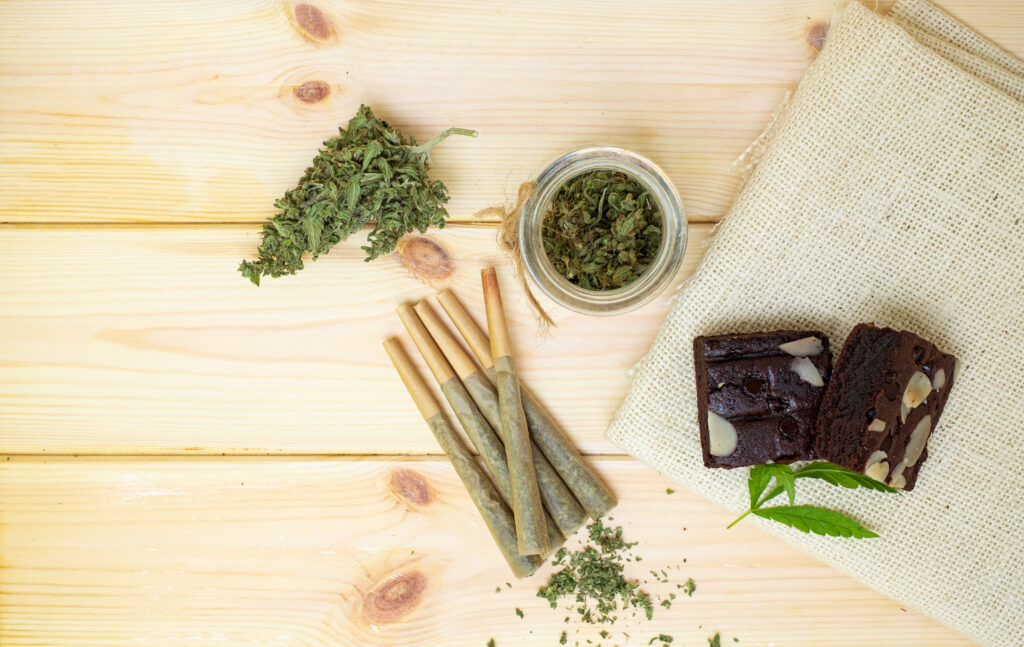
In recent years, the landscape of cannabis use has undergone a dramatic transformation. With the legalization of marijuana in many states, dispensaries have become a common sight in neighborhoods across the country. If you’ve ever wondered about the benefits, processes, and experiences associated with finding “dispensaries close to me,” this comprehensive guide will provide you with all the information you need.

The Rise of Dispensaries
Dispensaries, specifically cannabis dispensaries, are regulated locations where individuals can purchase marijuana and marijuana-related products for medical or recreational use. The proliferation of dispensaries is a direct result of the growing acceptance of cannabis in society and the evolving legal frameworks that govern its use.
Historical Context
Cannabis has been used for medicinal purposes for centuries, but it wasn’t until the late 20th and early 21st centuries that a significant shift occurred in the United States. California was the first state to legalize medical marijuana in 1996, and since then, numerous states have followed suit, with many also legalizing recreational use.
Finding Dispensaries Close to Me
When searching for dispensaries nearby, there are several factors to consider to ensure a safe and satisfactory experience. Here are some key points to keep in mind:
- Legal Status: Ensure that cannabis is legal in your state for the intended use (medical or recreational). Each state has different regulations, so it’s crucial to be informed.
- Licensing: Only visit licensed dispensaries. Licensed dispensaries adhere to state regulations, ensuring product safety and quality.
- Reputation: Look for dispensaries with positive reviews and a good reputation. Online platforms like Weedmaps, Leafly, and Yelp can be valuable resources for reviews and ratings.
- Product Selection: Different dispensaries offer various products, from flowers and edibles to concentrates and topicals. Ensure the dispensary you choose has the products that suit your needs.
- Staff Expertise: Knowledgeable staff can enhance your experience, providing valuable information about products, dosages, and effects.
Types of Dispensaries
Dispensaries can be broadly categorized into medical and recreational. Understanding the differences can help you choose the right type of dispensary.
- Medical Dispensaries: These dispensaries cater to patients with a valid medical marijuana card. They often offer a wider variety of strains tailored to treat specific medical conditions. The staff is typically trained to provide medical advice and guidance.
- Recreational Dispensaries: Open to anyone of legal age (21+ in most states), these dispensaries focus on the recreational use of cannabis. While they may offer medical-grade products, their primary clientele is recreational users.
The Dispensary Experience
Visiting a dispensary for the first time can be both exciting and intimidating. Here’s a step-by-step guide to what you can expect:
- Entry and ID Verification: Upon arrival, you’ll be required to show a government-issued ID to verify your age and, if applicable, your medical marijuana card.
- Consultation: Once inside, you’ll have the opportunity to consult with a budtender. Budtenders are knowledgeable staff members who can answer your questions and help you choose products.
- Product Selection: Based on your needs and preferences, you can choose from a variety of products. Dispensaries typically offer flowers, edibles, concentrates, tinctures, topicals, and more.
- Purchase and Payment: After selecting your products, you’ll proceed to the checkout. Note that many dispensaries operate on a cash-only basis, though some accept debit cards.
- Consumption Guidelines: Before leaving, it’s essential to understand the guidelines for consuming cannabis, including dosage, potential effects, and legal restrictions on use.
Benefits of Dispensaries Close to Me
Having a dispensary nearby offers several advantages:
- Convenience: Proximity means you can easily access cannabis products without having to travel far.
- Local Economy: Supporting local dispensaries contributes to the local economy, creating jobs and generating tax revenue.
- Community Engagement: Local dispensaries often engage with the community through events, education, and support for local initiatives.
Cannabis Products and Their Uses
Dispensaries offer a diverse range of cannabis products, each with unique benefits and uses. Here are some common categories:
- Flower: The traditional form of cannabis, also known as buds or nugs, is typically smoked or vaporized. It’s available in various strains, each with different effects.
- Edibles: Cannabis-infused foods and beverages, such as gummies, chocolates, and drinks, offer a smoke-free way to consume cannabis. They have a delayed onset but long-lasting effects.
- Concentrates: These are potent forms of cannabis, including shatter, wax, and oils, that are consumed through dabbing or vaporizing. They provide a higher concentration of cannabinoids.
- Tinctures: Liquid cannabis extracts that are usually taken sublingually (under the tongue). They offer a discreet and fast-acting method of consumption.
- Topicals: Cannabis-infused creams, balms, and lotions applied to the skin for localized relief of pain and inflammation without psychoactive effects.
Health and Safety Considerations
While cannabis has numerous potential benefits, it’s important to be aware of health and safety considerations:
- Dosage: Start with a low dose, especially if you’re new to cannabis. Edibles, in particular, can be potent and have delayed effects.
- Interactions: Cannabis can interact with other medications. Consult with a healthcare provider if you’re taking other prescriptions.
- Impairment: Cannabis can impair your ability to drive or operate machinery. Always consume responsibly and never drive under the influence.
- Legal Restrictions: Be aware of where you can legally consume cannabis. Public consumption is often prohibited, and there are restrictions on transporting cannabis across state lines.
The Future of Dispensaries
As the legal landscape continues to evolve, the future of dispensaries looks promising. Trends to watch for include:
- Expansion: More states are likely to legalize cannabis, leading to an increase in the number of dispensaries.
- Innovation: Expect advancements in cannabis products, including more precise dosing methods and new forms of consumption.
- Sustainability: Environmental sustainability will become increasingly important, with dispensaries focusing on eco-friendly practices and products.
- Education: Continued education efforts will help reduce stigma and increase public awareness of the benefits and risks of cannabis.
Finding “dispensaries close to me” can open up a world of opportunities for both medical and recreational cannabis users. By understanding the types of dispensaries, the products they offer, and the importance of safe and responsible consumption, you can make informed decisions and enjoy the benefits that cannabis has to offer. As the industry grows, staying educated and engaged with your local dispensaries will ensure you have the best possible experience.
Finding “dispensaries close to me” ca
Frequently asked questions
What should I look for in a nearby dispensary?
Legal status in your state, a valid license, a good reputation, the right product selection and knowledgeable staff.
What happens when I visit a dispensary?
You show government-issued ID, consult a budtender, choose products, pay at checkout and get consumption guidance.
What is the difference between medical and recreational dispensaries?
Medical dispensaries serve cardholders and tailor strains to conditions, while recreational dispensaries serve anyone of legal age.
What safety rules should I follow?
Start with a low dose, check for medication interactions, never drive impaired and respect public-use and transport restrictions.

The MjMap Editorial Team researches each guide from state cannabis regulators, peer-reviewed studies and product labelling rules, lists every source at the end of the article, and re-checks guides when a rule or study changes. Guides are reviewed by editor Pj Dhanoa.
Published July 16, 2024 · Updated July 16, 2024 · Report a correction